

When the temperature climbs, hydration stops being a detail — it's what separates a great summer run from a miserable final few kilometres. And drinking water isn't always enough: what you lose in sweat includes electrolytes too. After more than 10 years advising runners, here's our clear guide to hydrating well, especially in the heat.
Hydrating well for running is essential to maintain your performance, limit the risk of dehydration and run safely when it's hot. In this guide: how much to drink, when to use electrolytes, and how to adapt your sports hydration strategy to the length of your run.
In short
Run under 60 minutes in mild weather? → water is enough.
A long, intense or hot run? → add electrolytes (sodium first) to replace what you lose in sweat.
The golden rule: drink to thirst, don't force it — too much plain water is as risky as too little.
Contents
Why hydration changes everything
Water makes up a large part of your body weight and plays a central role during exercise: it regulates your temperature (through sweat), carries nutrients and keeps your muscles working well. As soon as you lose the equivalent of 2% of your body weight in fluid, performance drops, perceived effort climbs and the risk of heat illness rises — especially in summer.
But sweat isn't just water: it also contains sodium, potassium and magnesium — the minerals (or salts) we call electrolytes. A few numbers to frame the stakes: most runners lose between 0.5 and 1.5 litres of sweat per hour (sometimes more in extreme heat), and each litre can contain anywhere from 300 to over 1,000 mg of sodium depending on the individual. The hotter it is and the longer you run, the more you lose — and that's where water alone falls short.
Water or electrolytes: the difference
The two don't do the same job, and telling them apart avoids a lot of mistakes:
- Water simply rehydrates. Perfect for short runs in mild weather.
- Electrolytes (sodium, potassium, magnesium) replace the minerals lost in sweat, help you hold on to the water you drink and support muscle contraction. Sodium (salt) is the most important one for runners.
- Some hydration drinks combine both, and sometimes carbohydrates: these are isotonic drinks (or electrolyte drinks), formulated to deliver energy and minerals at once.
In other words: drinking lots of plain water on a long, hot run, with no sodium, can even dilute your blood and work against your hydration. Water and electrolytes work together.
Before your run
Good hydration starts before you even lace up. The goal: head out topped up, without overdoing it. Our benchmarks:
- Drink about 300 to 500 ml of water in the hour or two beforehand, especially in the morning or in the heat.
- Don't start out already dehydrated: if you're very thirsty or your mouth is dry at the start, take a moment to drink a little first.
- For a long or intense run, add a pinch of sodium to your pre-run drink to retain water better (sodium for runners is the key electrolyte).
- Avoid chugging large volumes right before you leave: it's better to hydrate steadily over the preceding hours.
How much to drink during the run
There's no magic number: your needs depend on your size, your intensity, the weather and your sweat rate (some runners sweat far more than others). Rather than aiming for a precise volume, rely on simple cues:
- Drink to thirst during the effort — the best indicator for most runners.
- Watch for signs of dehydration: marked thirst, dry mouth, unusual fatigue, dizziness or cramps.
- A home trick: weigh yourself before and after a long run. Losing more than 2% of your body weight means you should drink more next time.
- Hydrate before you head out (especially in the morning) and after to recover well.
Electrolytes: when do you need them?
Electrolytes really come into play once the effort goes past about an hour, when it's hot, or if you're a heavy sweater (white salt marks on your skin or clothes after a run). Here are a few options we love, several of them Quebec brands:
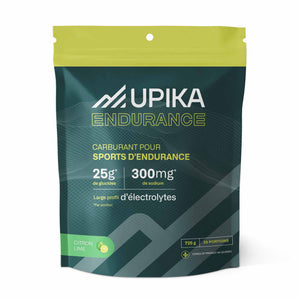
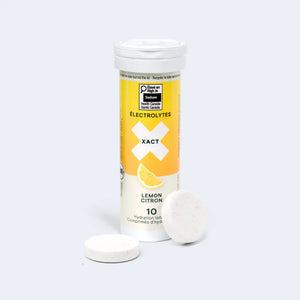
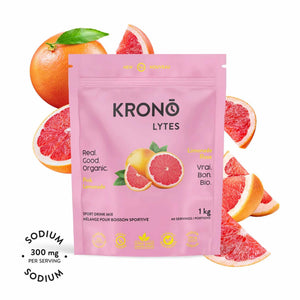
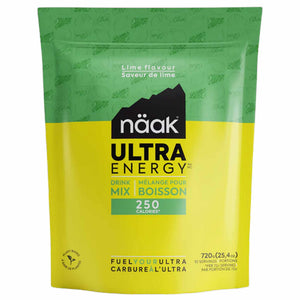
Browse all our drinks and electrolytes. And for energy on the longest runs, electrolytes pair well with energy gels (we explain when and how to use them in that guide).
How to carry your fluids
No water fountain on your route? In summer, it's best to head out with your own water. For runs over an hour, a hydration vest or a soft flask lets you carry water and electrolytes without disrupting your stride. Not sure which model to pick? Our guide explains how to choose a hydration vest based on your distances.
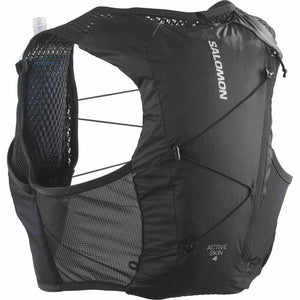
See all our hydration accessories (vests, belts, flasks) to find the format that suits you.
After your run: recovery
Hydration doesn't stop at the finish line. The first few hours after a run are ideal to kick-start rehydration and recovery. Four habits:
- Replace lost fluids gradually over the following hours — not all at once.
- Top up sodium and minerals, especially after a hot run where you sweated a lot.
- Eat within 30 to 60 minutes: a meal or snack combining carbohydrates and protein helps rebuild your stores and repair muscle.
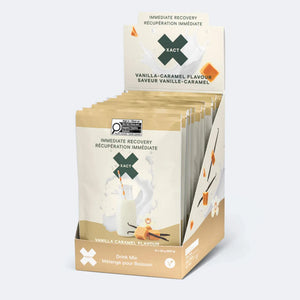
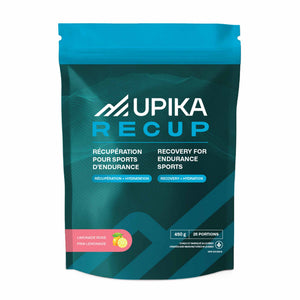
- A dedicated recovery drink is a simple way to tick all these boxes at once.
Running in the heat: our tips
Summer heat calls for a few simple adjustments:
- Pick your time: early morning or evening, when it's cooler and the sun is low.
- Start out hydrated and carry something to drink as soon as the run goes past an hour.
- Add sodium when you're sweating heavily: a tablet or electrolyte powder in your flask makes a difference.
- Adjust your pace: in strong heat, the same effort costs more. Slow down without guilt.
- Dress light and pale, add a cap, and use the shade whenever you can.
- Listen to your body: dizziness, chills or stopping sweating are warning signs — stop and cool down.
Table: what to drink by run
| Duration | Temperature | Drink |
|---|---|---|
| ~30 min | Cool | Water |
| 45–60 min | Hot | Water |
| 60–90 min | Hot | Water + electrolytes |
| 90–180 min | Hot | Electrolytes + carbs |
| Ultra | Very hot | Personalized strategy |
Frequently asked questions
Ready to hydrate well this summer?
A good hydration strategy is tested in training, not on race day. Explore our drinks and electrolytes and our hydration accessories, or come see us in the store to find what suits your stomach and your runs.
Read also
The solid fuel that complements your hydration on long runs.